
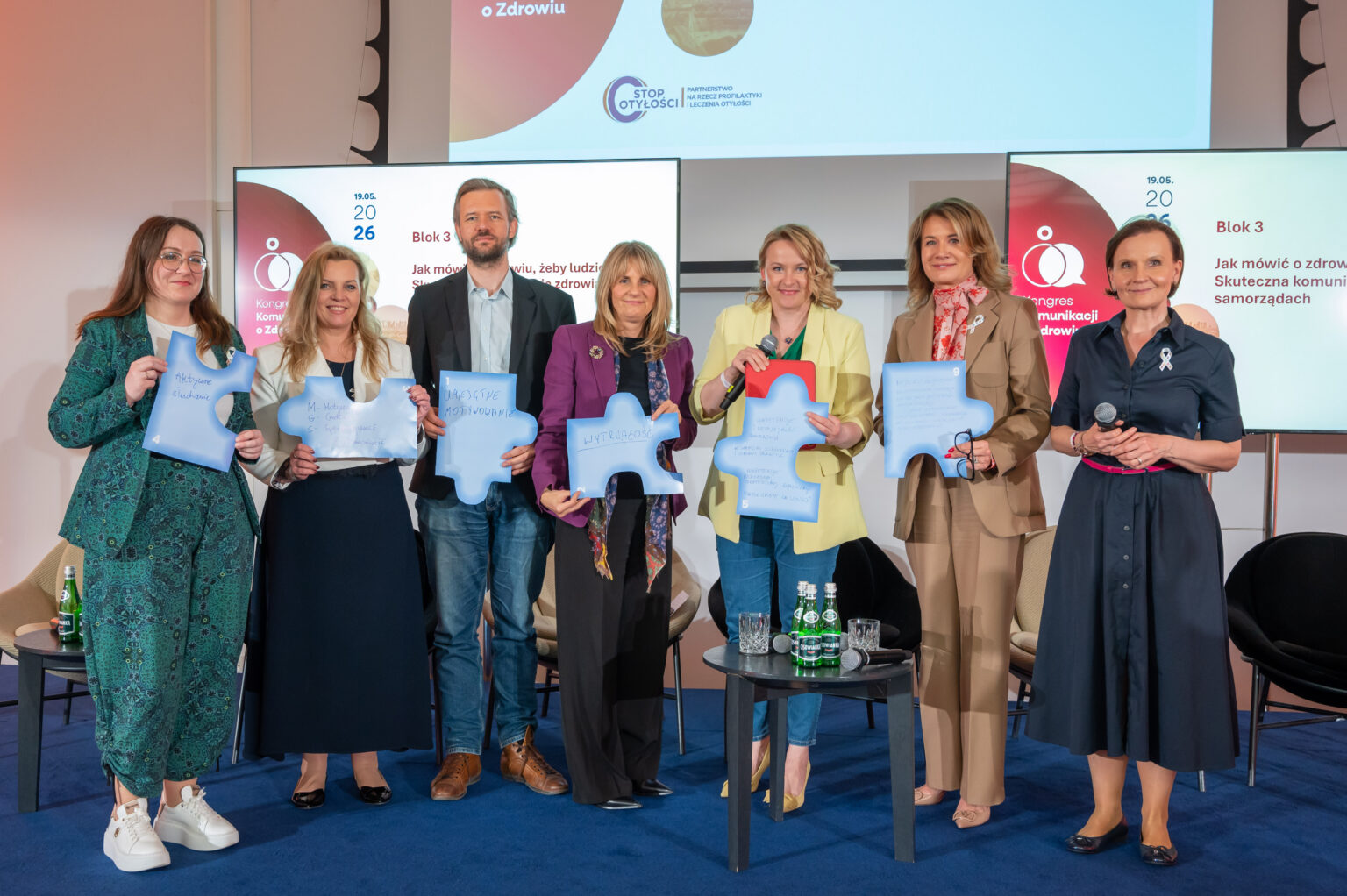
The 1st Health Communication Congress has come to a close – an event that demonstrated we can no longer talk about health using outdated language. It was one of the most comprehensive gatherings dedicated to health communication in Poland, bringing together representatives of medicine, science, public administration, the media, non-governmental organizations, business, new technologies, and the younger generation.
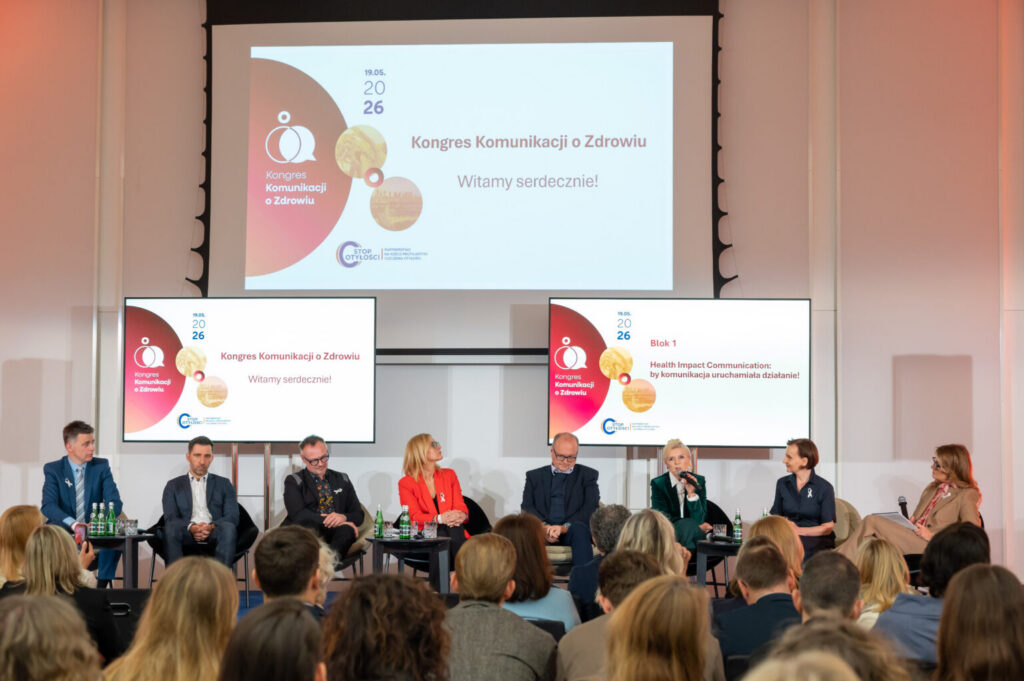
The Congress welcomed representatives of public administration, academia, patient organizations, the media, business, public health experts, and opinion leaders. Once again, the STOP OBESITY Partnership created a platform for dialogue among stakeholders working in different sectors but united by a common goal: building a healthier society through modern prevention and effective health promotion.
Panel discussions focused on shared responsibility for health communication, combating misinformation, the need for modern and personalized health education, the role of the media, social activists and influencers in raising public awareness, and the impact of the Internet and social media on health habits and decision-making throughout every stage of life.
One of the strongest themes throughout the Congress was the influence of the digital world on public health. Experts emphasized that decisions regarding supplements, nutrition, symptoms, and everyday health habits are increasingly made… on smartphones. For many people, the Internet has become the first “doctor’s office,” a source of self-diagnosis, a personal health coach, and even a pharmacy. Young people, in particular, live in an environment where algorithms, influencers, and social media significantly shape perceptions of health, body image, and lifestyle. This is why the presence of credible experts and responsible health communication online is more important than ever.
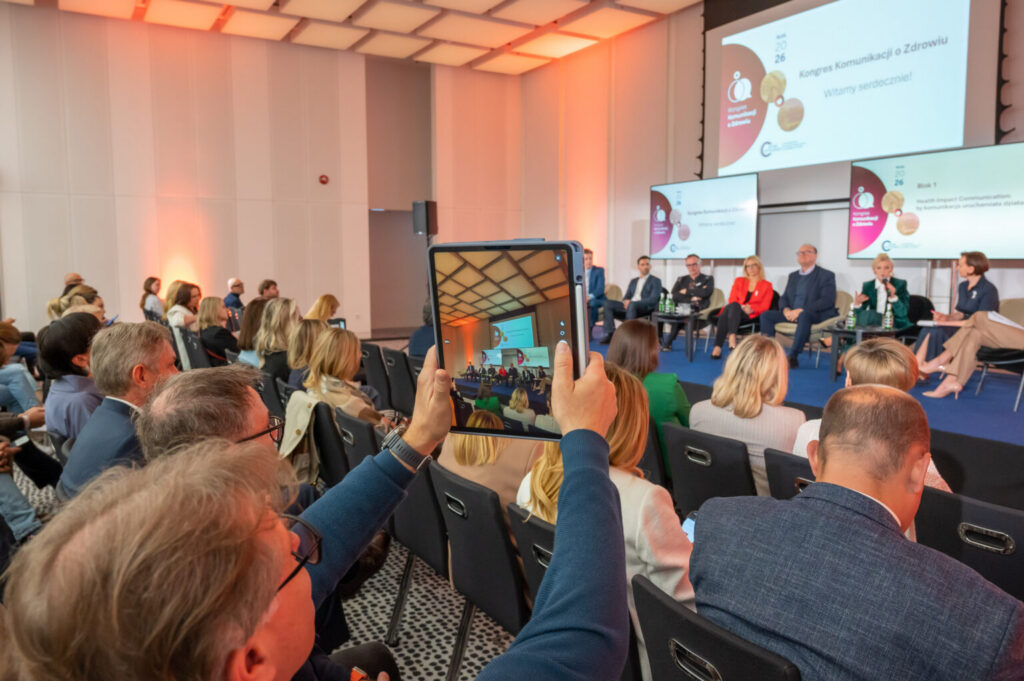
Participants highlighted that effective health communication must now compete for attention with thousands of pieces of content appearing on social media every day. As noted during the discussions, the average Internet user scrolls through the equivalent of dozens of meters of content daily. Therefore, health campaigns must be not only evidence-based but also emotionally engaging, authentic, and tailored to contemporary audiences.
The discussions also explored changing attitudes toward health and body image, particularly among younger generations, who increasingly speak about health through the language of well-being, self-care, and acceptance rather than sacrifice or pressure. Experts stressed that health campaigns should be grounded in reliable social and marketing research, as knowledge alone does not necessarily translate into behavioral change.
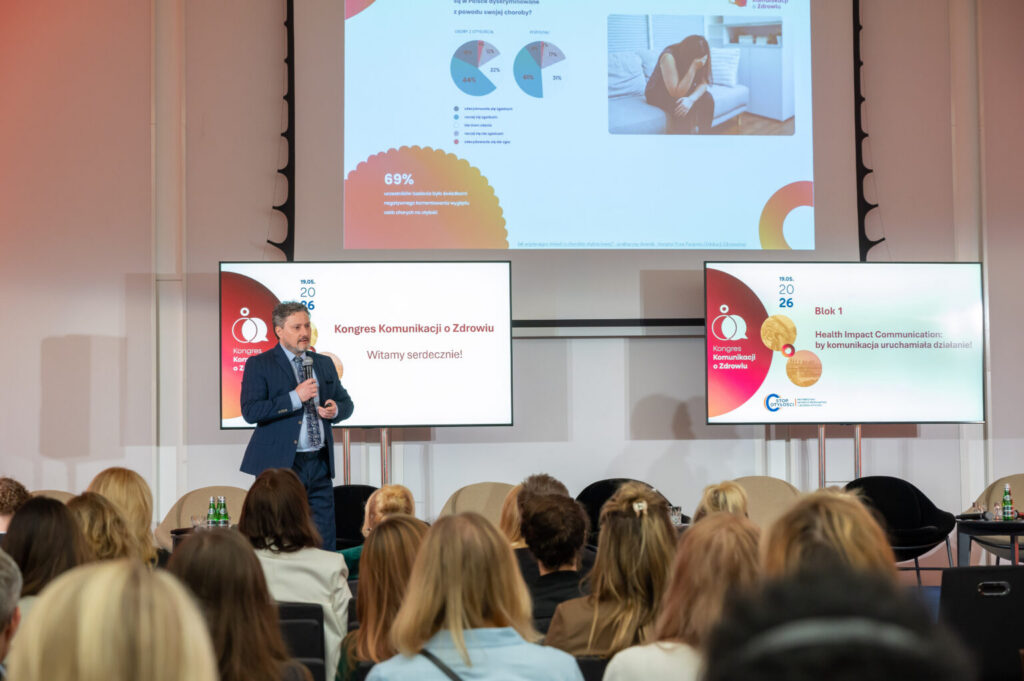
One of the Congress’s most powerful voices came from young participants, who clearly stated that they no longer wish to be passive recipients of health messages but active partners in creating them. They pointed out that health education too often relies on fear, shame, and moralizing, while their generation expects authenticity, trust, dialogue, and empowerment.
Throughout the debates, speakers emphasized that Generation Z is highly aware of issues related to mental health, well-being, and the impact of the digital environment on everyday life. At the same time, they navigate a world of constant information overload, marketing, and social media pressure. Experts noted that although many young people genuinely want to live healthier lives, they often become lost amid contradictory messages, online trends, and pervasive advertising. This reinforced the need for health communication based on hope, authenticity, and empowerment rather than guilt.
The Congress’s central conclusion could be summarized in one word: community. Public health has become a space of shared responsibility across multiple sectors. Discussions clearly demonstrated that prevention and responsible health communication represent our common future—and that effective health communication can no longer be pursued in isolation.
Obesity prevention and treatment, intergenerational perceptions of obesity, and the language used to discuss obesity as a chronic disease also occupied a prominent place in the program. Experts agreed that traditional ways of talking about obesity have reached their limits. There was a strong call to move away from blame and stigma toward modern, empathetic, and evidence-based health education.
Another important theme concerned communicating health messages to children and adolescents. Experts emphasized that today’s younger generations grow up in a fundamentally different environment of information, emotions, and authority figures than previous generations. Social media has become a place where young people not only seek information but also shape their identity, habits, and relationship with health.
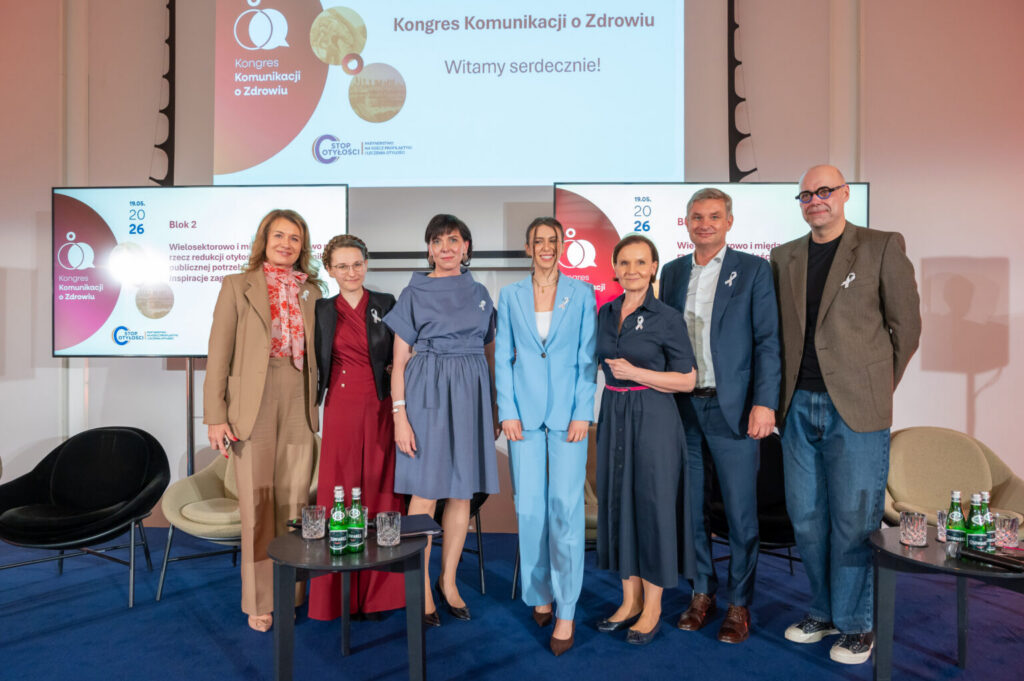
Throughout the Congress, participants repeatedly emphasized that health communication must shift its perspective: replacing one-way messaging with dialogue, fear-based narratives with supportive and authentic communication focused on tangible benefits. Experts stressed that effective health education must enter the cultural universe of young people by using their language, emotions, digital culture, and peer-to-peer communication mechanisms.
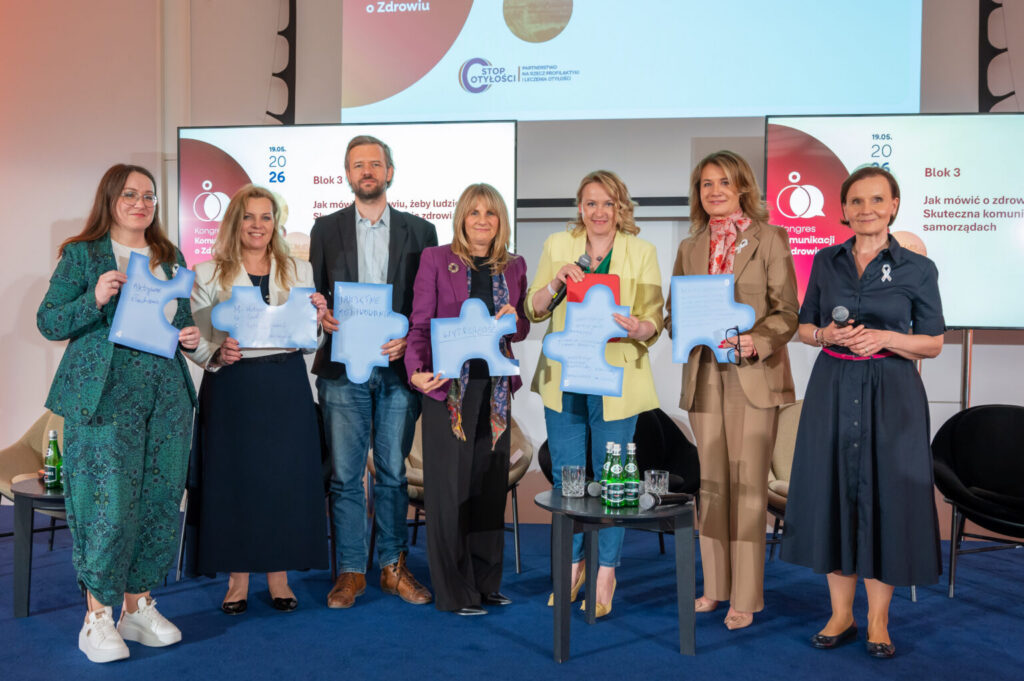
Considerable attention was also devoted to the role of local governments, civil society organizations, and community leaders in developing effective prevention and education programs. Speakers emphasized that public health cannot be built solely from the perspective of medical offices; it requires close cooperation among science, public administration, education, business, the media, civil society organizations, and technology sectors.
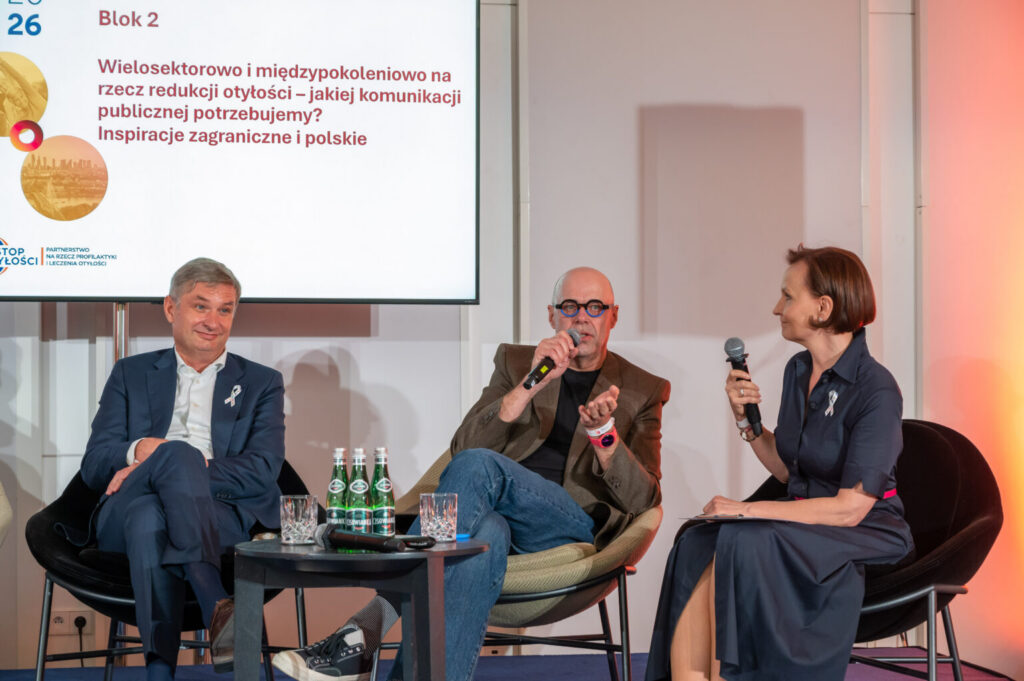
Experts further pointed out that local governments have become the very heart of health communication because they are closest to residents, understand local needs best, and are able to communicate in the language of everyday life rather than bureaucratic terminology. Public health is created primarily at the local level—where trust exists and communication becomes part of daily life rather than simply another campaign.
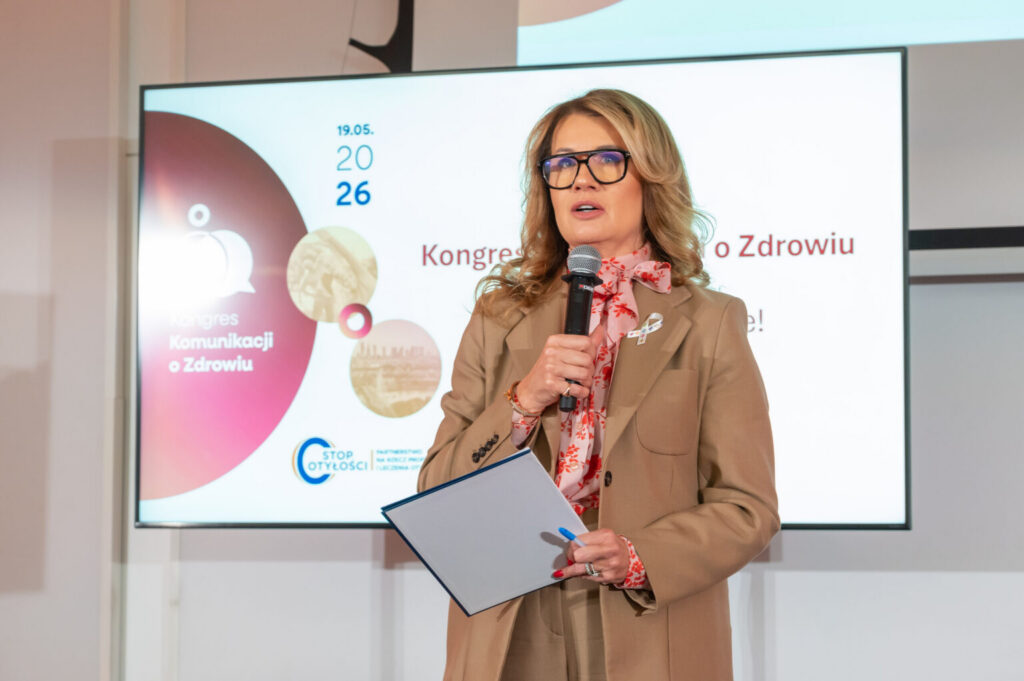
“Health communication is becoming one of the key pillars of modern public health. In an era of information overload, social media, and the growing scale of misinformation, we need responsible, reliable, and accessible communication that supports patients and strengthens public trust. One of the greatest strengths of the STOP OBESITY Partnership is its multidisciplinary nature and its ability to unite professionals representing medical, social, educational, scientific, and systemic perspectives,” said Dr. Małgorzata Gałązka-Sobotka, Dean of the Centre for Postgraduate Education at Lazarski University, Director of the Institute of Healthcare Management, and member of the STOP OBESITY Partnership.
During the Congress, speakers repeatedly emphasized that successful health communication requires not only scientific expertise but also the ability to build public trust, communicate in clear and understandable language, and use engaging formats. At a time when virtually anyone can become a content creator and the Internet is flooded with unverified advice and pseudoscientific claims, health communication faces one of the greatest challenges in its history.
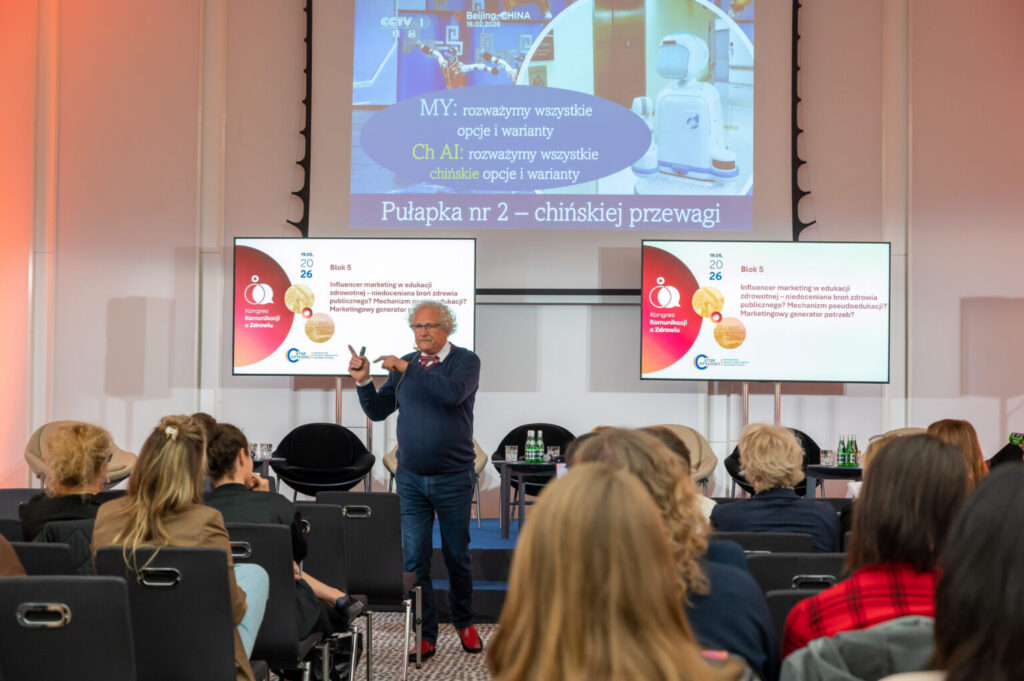
The 1st Health Communication Congress demonstrated that public health has become a shared responsibility requiring collaboration across many sectors. By bringing together experts in medicine, public health, science, local government, civil society, the media, business, and new technologies, the STOP OBESITY Partnership created a unique interdisciplinary platform for dialogue on the future of health communication in Poland.
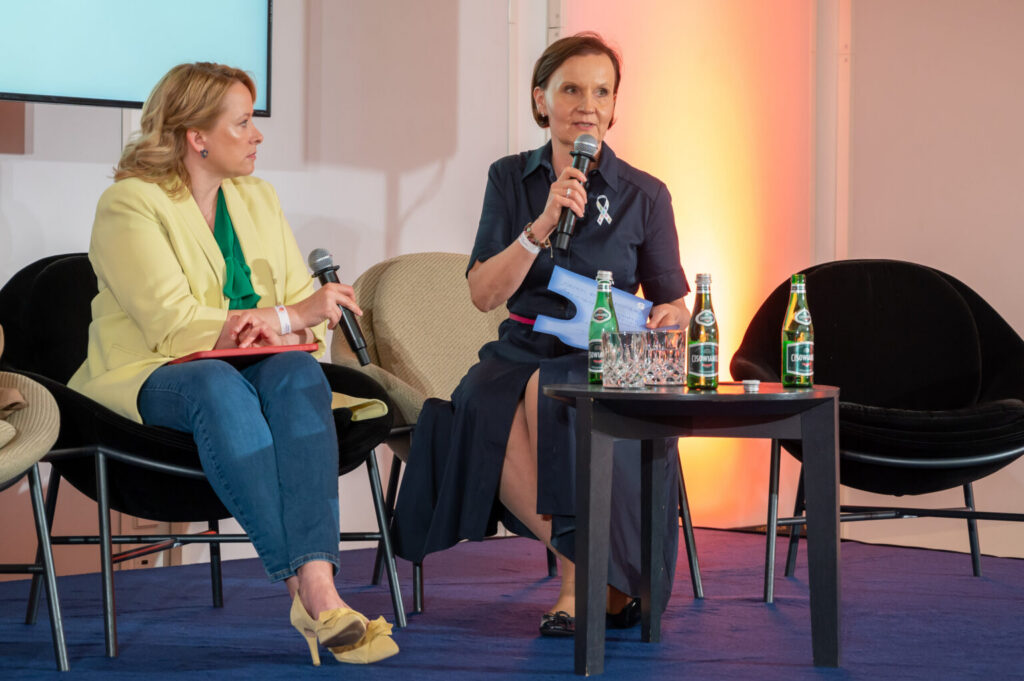
“The 1st Health Communication Congress was created to provide a space for dialogue among communities working at different intersections of public health while facing the same challenge: how to communicate health effectively in today’s overstimulated and increasingly obesogenic world. Beyond meaningful discussions, the Congress became a place for exchanging experiences, inspiring one another, and building lasting relationships among communities that had often worked separately until now. It symbolically marked the end of the era of isolated islands in health communication and showed that effective communication emerges where different perspectives, experiences, and social sensitivities meet. I am especially pleased that the voice of the younger generation resonated so strongly throughout the Congress. Young people no longer want to be passive recipients of health messages—they want to become genuine partners in shaping them. Modern health communication must therefore be authentic, empathetic, engaging, and closely connected to people’s everyday lives. Only then can it truly influence social attitudes and health-related decisions,” emphasized Marta Pawłowska, Chair of the Presidium of the STOP OBESITY Partnership.
We would like to thank all participants, speakers, partners, and patrons for helping create this exceptional event. It was an inspiring gathering filled with energy, valuable discussions, and meaningful exchanges that we hope will continue to resonate long after the Congress has ended.
The Congress may be over, but the conversation about health is only just beginning.